
Alright, let’s talk about that big, hulking piece of your house you probably only think about when it starts making a weird noise or refuses to open. Yep, we’re diving into the world of garage doors. Ever shiver a bit when you walk past the door into your house from the garage? Or feel a draft that seems to come from nowhere? We’ve been there. And as folks who eat, sleep, and breathe garage doors here in Edmonton, we can tell you this: that old, beat-up garage door might be quietly sabotaging your wallet every single month.
We’re not just talking about a few pennies here. A damaged or inefficient garage door can be a massive drain on your home’s energy efficiency, and that directly translates to higher heating and cooling bills. It’s like leaving a window open all winter long and then wondering why your furnace is working overtime. So, grab a coffee, get comfortable, and let’s break down exactly how this happens and, more importantly, what we can do about it.
How Your Garage Door Becomes an Energy Vampire
Think of your garage as a giant thermal buffer between the outside world and your cozy living space. When it’s functioning properly, it does a decent job. But when its components are worn out or damaged, it fails spectacularly.
The Silent Culprits: Seals and Weatherstripping
This is the big one, folks. The rubber weatherstripping along the bottom of your door and the seals around the sides are your first line of defense. They’re the unsung heroes that keep the biting Edmonton cold and the summer heat from waltzing right into your garage.
Over time, this rubber gets brittle. It cracks, it splits, and it shrinks away from the edges. Suddenly, that tight seal isn’t so tight anymore. You get gaps—sometimes tiny, sometimes glaringly obvious. These gaps are basically invitation letters for outside air. In the winter, cold air rushes in, cooling down your entire garage space. Since your garage often shares a wall with your house, that cold then leeches into your home, forcing your heating system to work harder to compensate. The same thing happens in reverse during our hot summers.
A simple visual inspection can usually tell you if your weatherstripping has seen better days. If it’s cracked or there’s a visible gap between the seal and your driveway when the door is closed, it’s time for some garage door repair.
The Insulation Situation: It’s Not Just for Houses Anymore
Not all garage doors are created equal. Many older doors, or basic single-layer models, have little to no insulation. They’re just a thin sheet of metal or wood. If your garage is uninsulated and your door is uninsulated, well, it’s basically like having a section of your home’s exterior wall made of paper.
Even if you have an insulated door, damage can ruin its effectiveness. A dent might not seem like a big deal, but if it compromises the inner core of an insulated door, it creates a thermal bridge—a direct path for heat to transfer in or out. This significantly reduces the door’s overall R-value (its resistance to heat flow).
So, what’s the result? An uninsulated or poorly insulated garage becomes an extreme temperature zone. This is a huge problem if you have bedrooms above the garage (they’ll always be too hot or too cold) or if your HVAC system or ductwork runs through the space. The system has to fight the extreme temperatures in the garage to keep the rest of your house comfortable. That fight costs you money.
The Bigger structural Issues: Gaps, Tracks, and Alignment
Sometimes the problem isn’t just the seal itself, but the fact that the door isn’t sitting flush against the frame. How does that happen?
- A Bent Track: If your garage door track is bent or misaligned, the door won’t close evenly. One side might seal perfectly while the other has a half-inch gap. This is a common issue we see that requires specific garage door track repair.
- Worn-Out Springs: Weak or damaged garage door springs can prevent the door from closing all the way under its own weight. It might look closed from the outside, but it’s not seated firmly against the weatherstripping.
- General Wear and Tear: Over decades, frames can shift and doors can warp. This creates uneven gaps that are impossible to seal with standard weatherstripping.
These issues require the keen eye of a professional garage door technician to diagnose properly. It’s not just a simple fix; it’s about ensuring the entire system works in harmony.
The Real-World Impact on Your Energy Bills
Let’s put some hypothetical numbers on this, because we know that’s what really hits home. While every home is different, the principle remains the same.
Consider this rough breakdown of how a compromised garage door can affect your energy consumption:
| Scenario | How It Wastes Energy | Estimated Monthly Cost Impact (Winter) | Potential Solution |
|---|---|---|---|
| Failed Bottom Seal | Constant cold air infiltration cools the garage space, which then cools adjacent rooms. | $20 – $40+ | Replace weatherstripping |
| Uninsulated Door | High heat transfer turns the garage into a freezer, affecting the entire thermal envelope. | $30 – $60+ | Upgrade to insulated door |
| Bent Track / Poor Seal | Creates significant drafts, similar to leaving a small window open. | $25 – $50+ | Garage door track repair & realignment |
| Damaged Insulated Door | Dent compromises insulation, creating a localized cold spot and reducing overall R-value. | $15 – $30+ | Assess for garage door replacement |
These numbers aren’t just pulled from thin air; they’re based on the energy loss we commonly see in homes across Edmonton. When you add it up over a year, you’re looking at hundreds of dollars literally flying out of the gaps in your garage door. That’s a vacation fund we’re talking about!
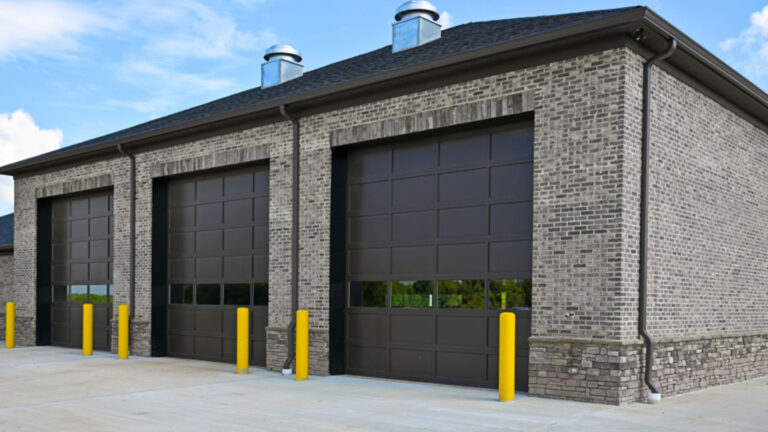
And this isn’t just a residential problem. For businesses, the scale—and the costs—are even larger. A faulty commercial overhead door on a warehouse or shop can lead to astronomical heating bills, making commercial overhead door repair not just a maintenance issue, but a critical financial one.
So, What Can We Do About It? Your Action Plan.
Don’t worry, we’re not just here to give you bad news. The good news is that solutions exist, and many are more affordable than you might think.
Step 1: The DIY Inspection
Give your garage door a once-over. Look at the weatherstripping. Does it look cracked? Can you see light coming through the bottom when the door is closed? Listen for unusual noises when it operates. These are all clues.
Step 2: Call in the Pros for a Diagnosis
This is where we come in. As a trusted garage door company in Edmonton, Overhead Door Pros offers free, no-obligation inspections. Our technicians can quickly identify whether you need a simple seal replacement, a garage door spring repair, or if you’re a candidate for a new automatic garage door installation. We’ll give you a straight-up, honest assessment and a clear price quote. No surprises.
Step 3: Weighing Repair vs. Replacement
This is the big question, right? IMO, it always comes down to a cost-benefit analysis.
- Repair: If the door itself is in good shape but has a faulty spring, seal, or track, then garage door repair is the obvious and affordable choice. It fixes the immediate energy drain and restores functionality.
- Replacement: If your door is old, uninsulated, dented beyond repair, or just inefficient, then garage door replacement might be the smarter long-term investment. A new, insulated door pays for itself over time through energy savings, not to mention the boost in curb appeal and home value.
FYI, modern insulated doors are fantastic. They’re sturdy, they’re quiet, and they make a world of difference in temperature regulation. As a garage door contractor that handles both residential and commercial garage door repair, we can tell you that the technology in even basic residential doors has improved leaps and bounds.
Let’s Talk FAQs: Your Questions, Answered
We get these all the time, so let’s clear them up.
1. Can I just add insulation to my existing garage door?
Sometimes, but it’s tricky. DIY insulation kits exist, but adding weight to a door not designed for it can strain the opener and springs. It’s often more cost-effective and safer to upgrade to a properly engineered insulated door. Always consult a garage door technician before attempting this.
2. How often should I have my garage door serviced to prevent these issues?
We recommend a professional tune-up at least once a year. Think of it like changing the oil in your car. It’s preventative maintenance that catches small problems—like wearing weatherstripping or slightly misaligned tracks—before they become big, expensive, energy-wasting problems.
3. I’m looking for “garage door services near me” – what should I look for in a company?
Look for experience, local reviews, and a willingness to provide a free, detailed estimate. A good company will explain the cost and the why behind their recommendations without pressuring you. They should handle both garage door spring repair and full garage door replacement. And hey, while you’re searching, Overhead Door Pros right here in Edmonton ticks all those boxes 🙂
Wrapping It Up: Don’t Let Your Garage Door Empty Your Wallet
So, can a damaged garage door affect your home’s energy bills? In a word, absolutely. It’s one of those out-of-sight, out-of-mind things that can have a very real, very costly impact.
The simplest way to find out? Just give us a shout. Whether you’re a homeowner noticing a draft or a business owner looking to cut overhead costs with a commercial overhead door repair, we’re here to help. Our team provides top-notch garage door services that are designed to save you money in the long run. We’ll give you the straight facts, the honest price, and the best solution for your specific situation.
Let’s stop letting the cold (or the heat) win. Let’s make your garage door an asset to your home’s efficiency, not a liability.

